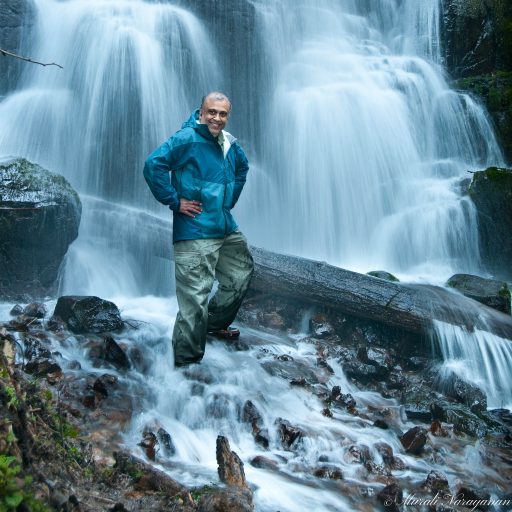
The western Olympic Peninsula is one of the most rewarding landscape photography destinations in North America, where lush temperate rainforests, dramatic waterfalls, and rugged Pacific beaches come together within a relatively compact area. In the Quinault and Hoh rainforests, photography is less about grand vistas and more about intimate scenes—moss-draped maples, giant Sitka spruce, fern-lined trails, and waterfalls like Merriman Falls that seem to emerge from deep green wilderness. The ever-present moisture creates saturated colors and soft, diffused light that photographers dream of, while the dense forest invites close-up compositions of leaves, fungi, streams, and details often overlooked. With modern smartphone cameras and computational photography, even images in these low-light forest environments can now capture remarkable detail and tonal range.
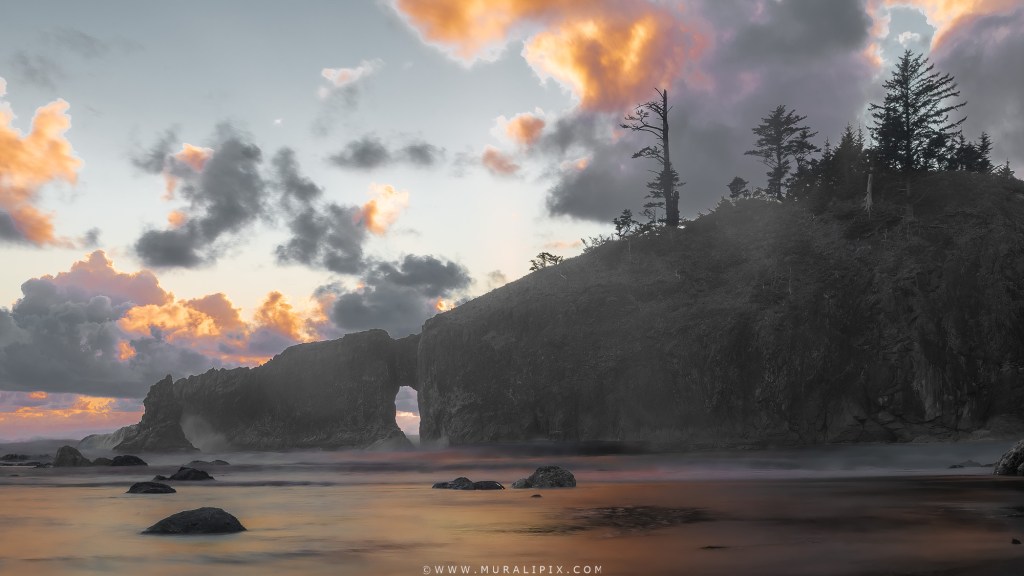
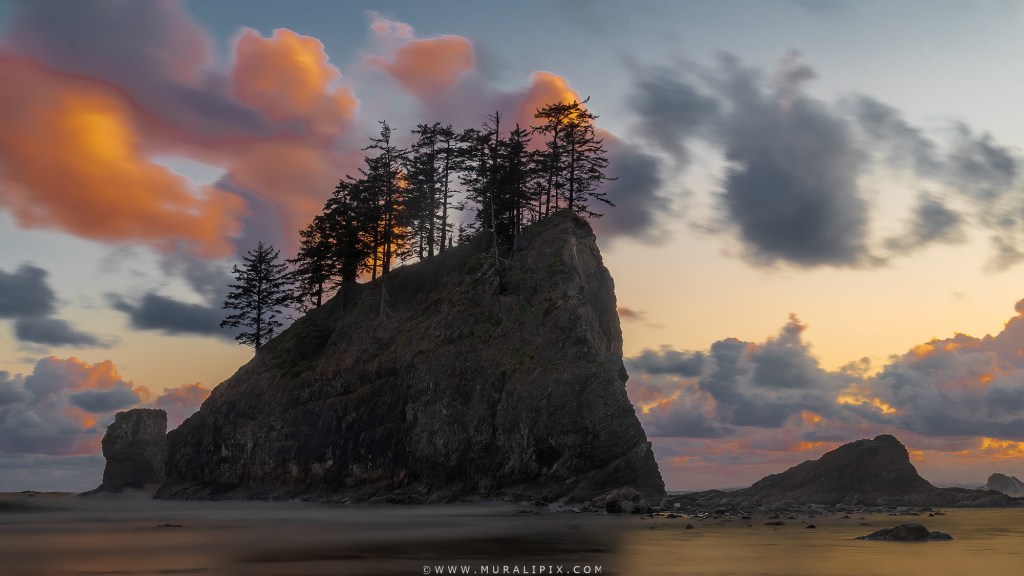
The peninsula’s coastal landscapes offer a completely different visual experience. At La Push Second Beach, sea stacks rise dramatically from the surf, driftwood frames the shoreline, and sunsets often paint the sky in layers of color reflected in wet sand. Farther south at Kalaloch Beach 1, the broad beach, weathered driftwood, and offshore rocks create classic Pacific Northwest compositions, while Kalaloch Lodge provides an elevated vantage point overlooking one of the wildest stretches of coastline in Washington. On my recent trip to the western Olympic Peninsula, I used my iPhone 15 Pro as my primary camera, and it proved to be an impressive tool for landscape photography—from the dark, textured interiors of the rainforests to the expansive beaches and moody coastal light of the Pacific.
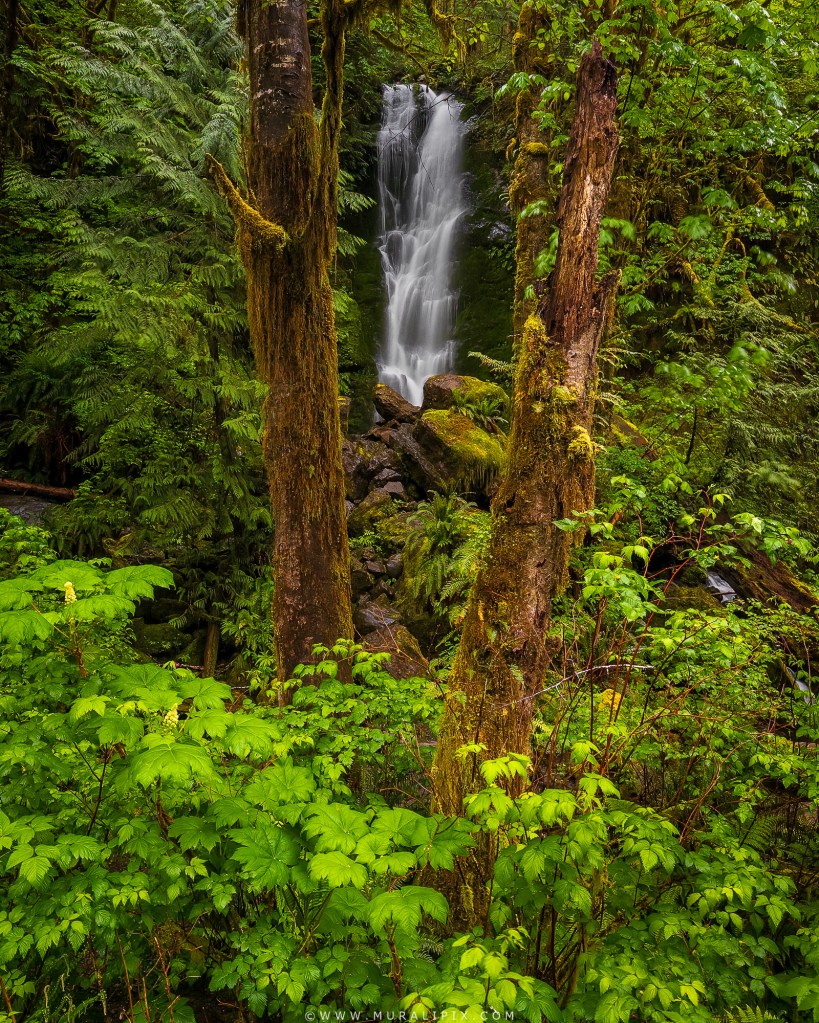
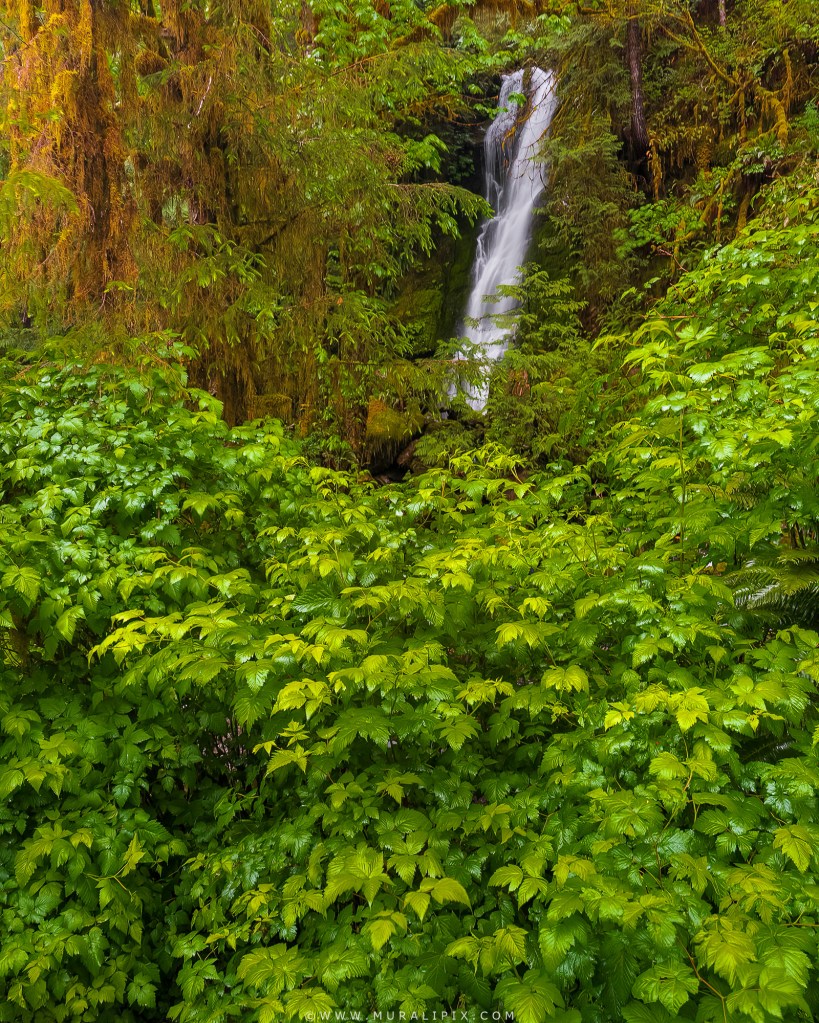
Merriman Falls @ Quinault Rainforest
Merriman Falls is my favorite spot in the Quinault Rainforest, especially from mid-April to mid-May when the water flow is at its best. It was lightly drizzling when we reached the falls that afternoon, adding to the rainforest atmosphere. Here are two images captured using the Reexpose camera app, which simulates a long-exposure effect without requiring an ND filter.
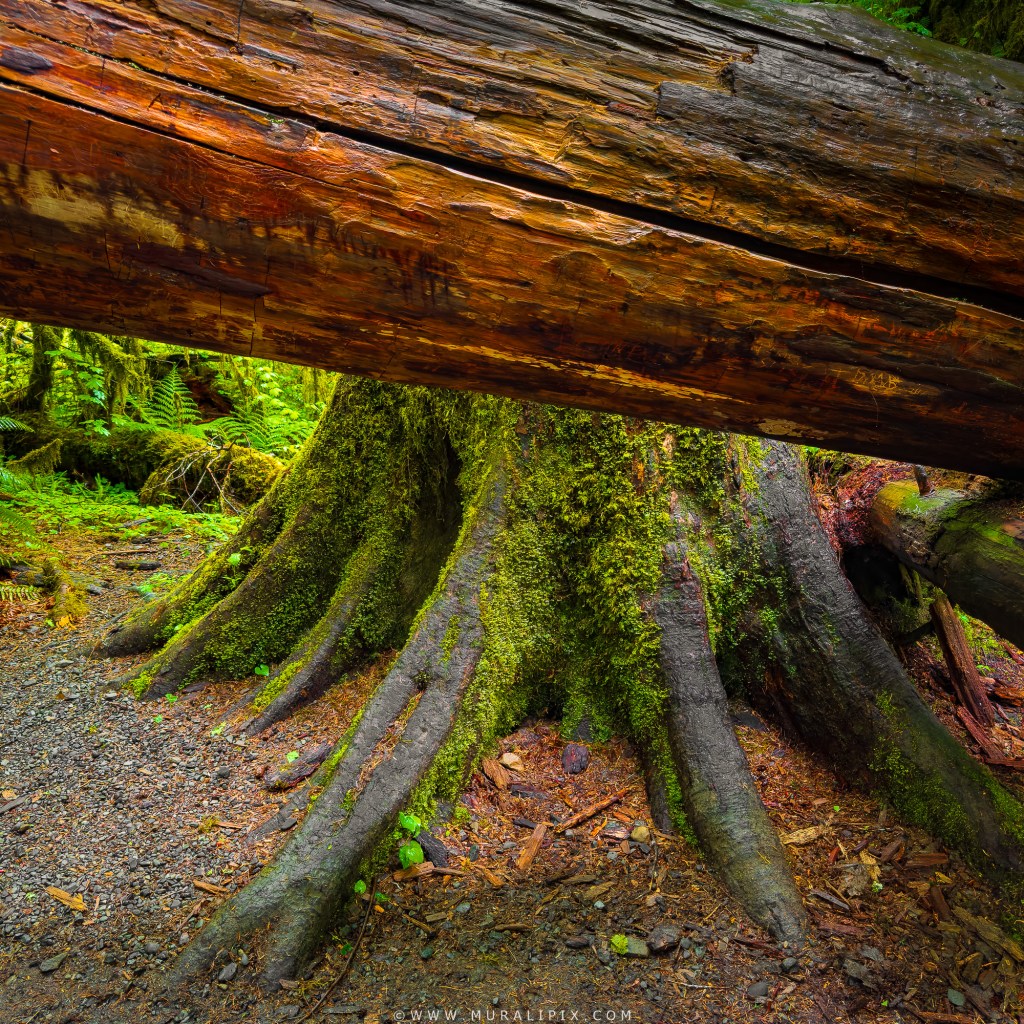
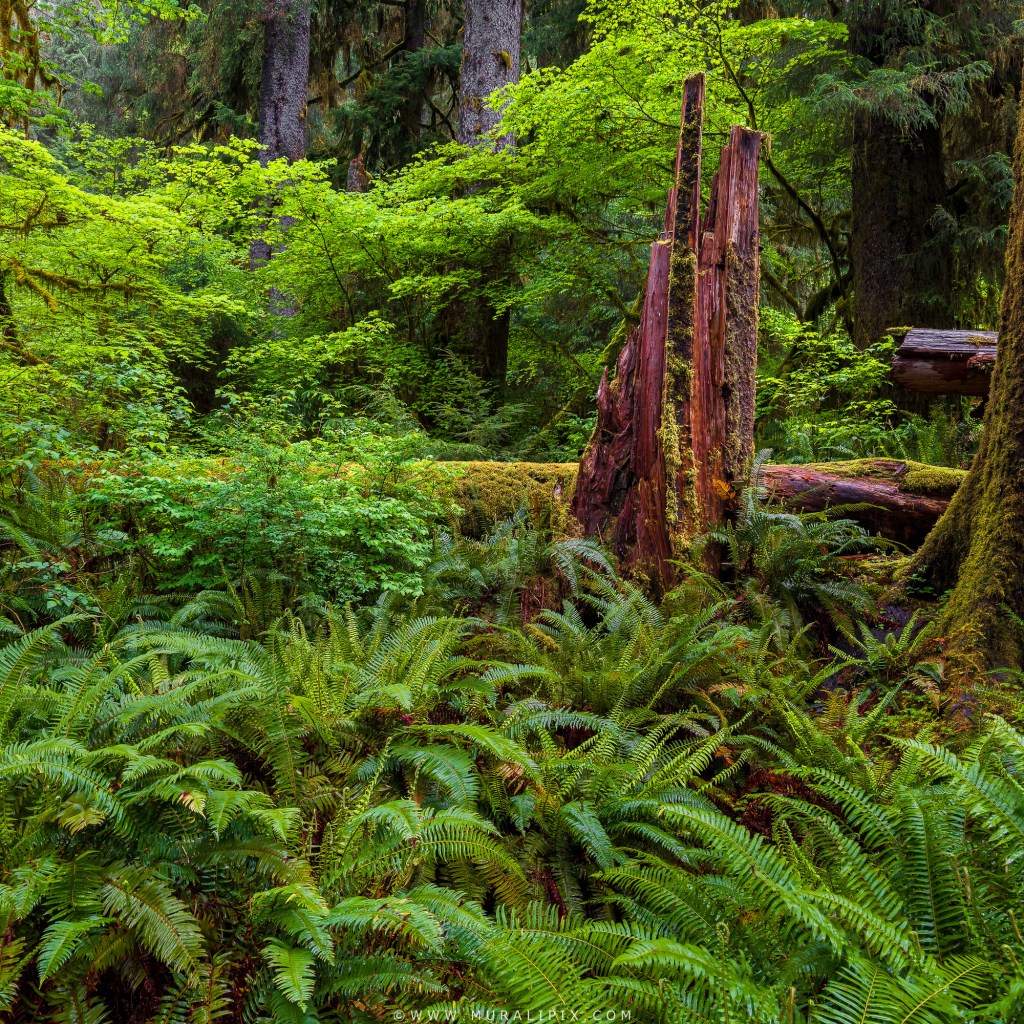
Hall of Mosses Trail at Hoh Rainforest
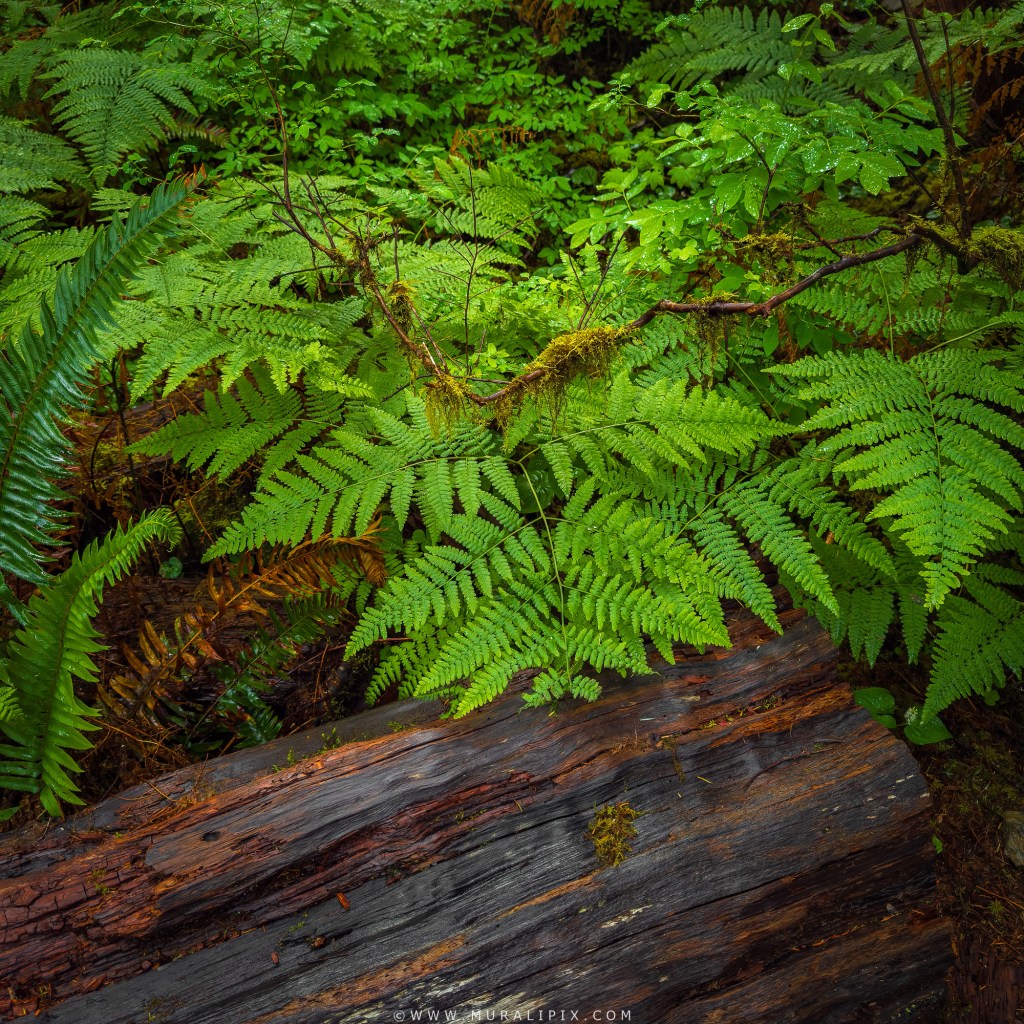
The Hall of Mosses trail in the Hoh Rainforest is a dream for photographers, with moss-draped bigleaf maples, towering spruce, and layers of rich green in every direction. Using my iPhone 15 Pro, I found it easy to capture both intimate forest details and wide compositions, even in the soft, low light beneath the dense canopy. The smartphone’s computational photography handled the challenging contrast beautifully, bringing out the textures, depth, and saturated colors that make this rainforest so magical.
La Push Second Beach at Sunset
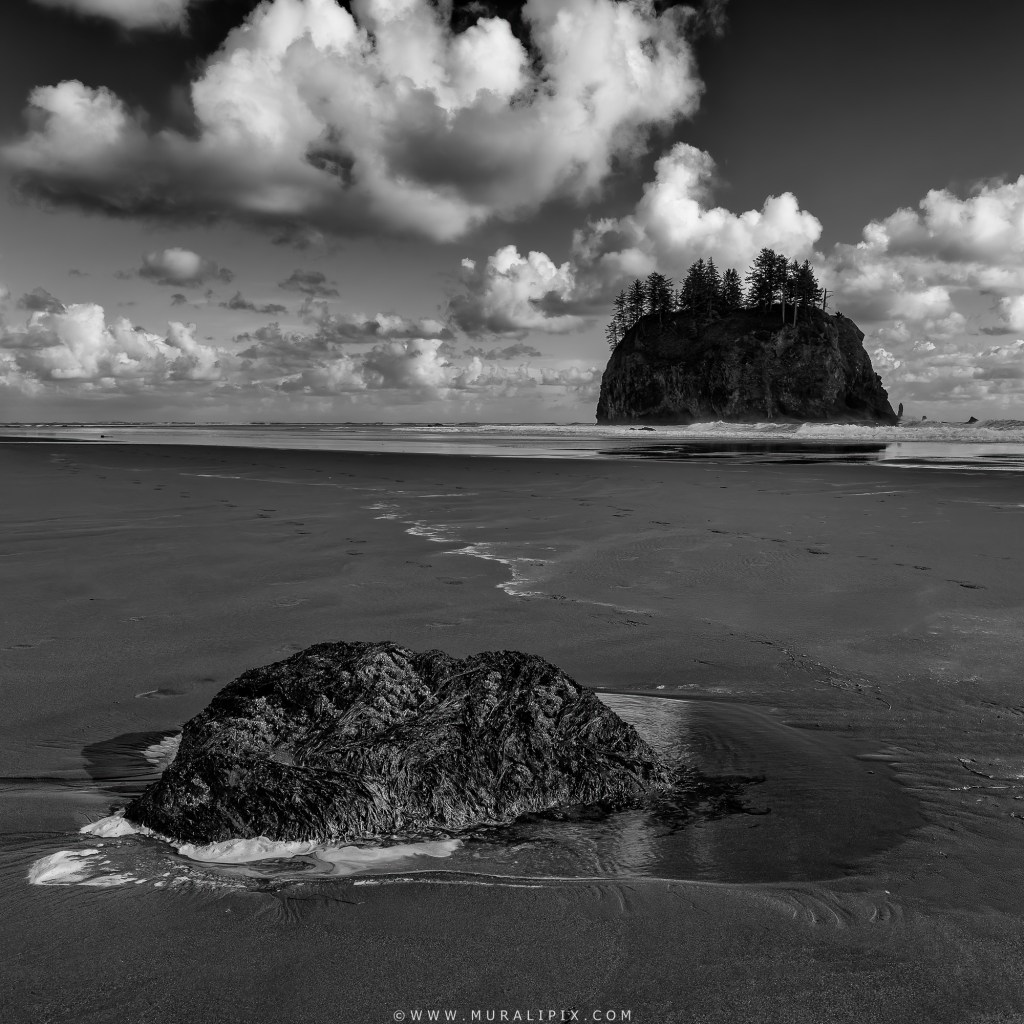
La Push’s Second Beach is one of the most distinctive and photogenic beaches in the western United States, where the wild Pacific Northwest coastline reveals its full character. Reached by a short forest trail, the beach opens to dramatic sea stacks rising from the surf, weathered driftwood scattered along the shore, and sunsets that often glow through layers of mist and marine clouds. Its combination of rugged coastal scenery, moody atmosphere, and constantly changing light makes Second Beach a uniquely beautiful place—and a favorite destination for landscape photographers exploring Washington’s Olympic Peninsula.
When we arrived at the beach parking lot, it was closed. Luckily, we spotted a Quileute tribal police officer parked nearby, monitoring traffic for speeding, and stopped to ask him how to access the beach. He directed us to the tribal store, where we paid a $10 parking fee, parked behind the store, and hiked about 1.5 miles each way to reach the beach. When we finally arrived, there were surprisingly few people there for a Saturday—perhaps many visitors saw the closed parking lot and decided to head to other beaches in the area instead.
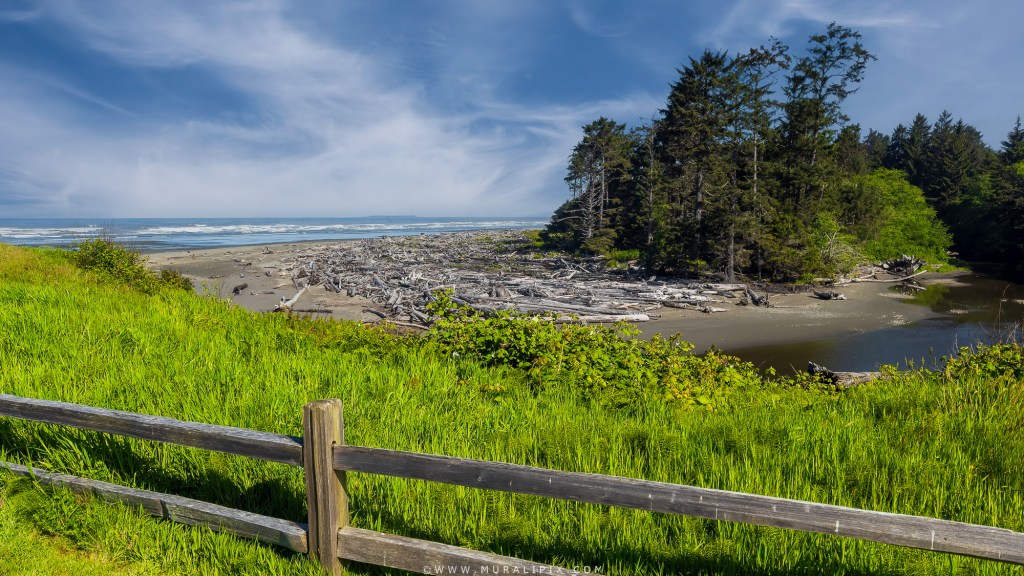
Kalaloch Beach & Lodge
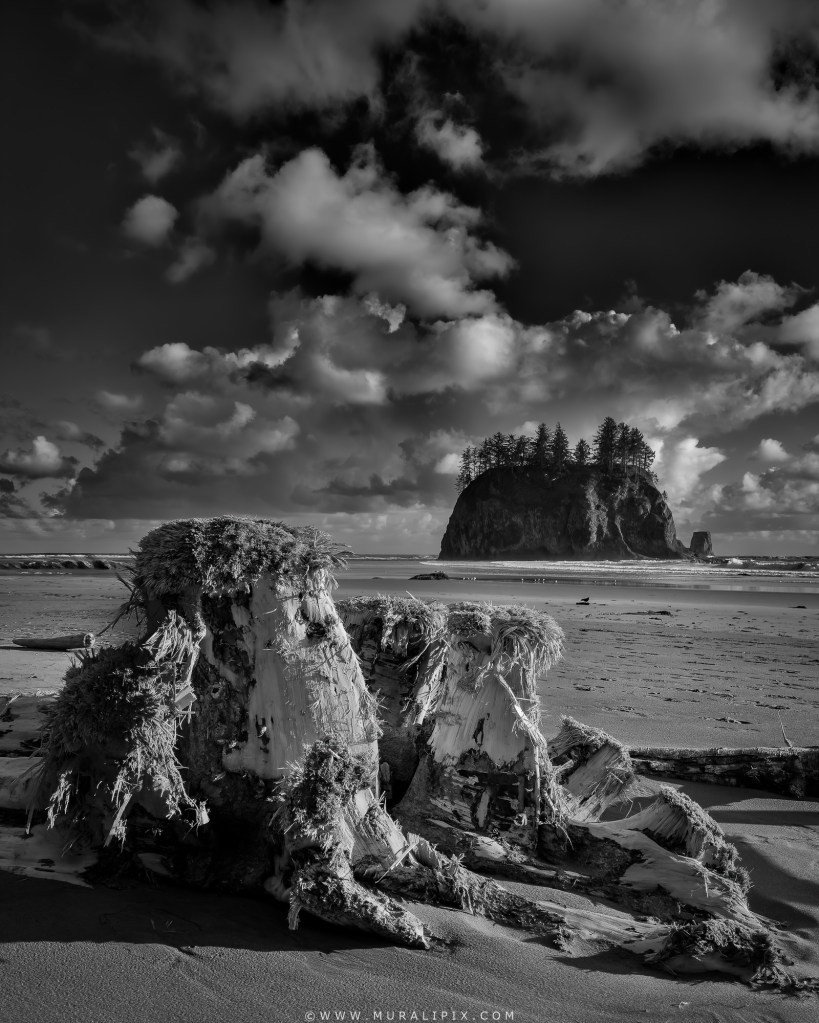
The beach below Kalaloch Lodge is a classic Pacific Northwest shoreline, with stretches of sand covered in massive driftwood logs that create a rugged, sculptural landscape. Much of this wood is carried down from the Olympic Mountains by rivers during storms, then deposited on the coast by tides and powerful waves. Over time, Pacific currents and winter storms collect these logs, making driftwood one of Kalaloch’s most distinctive features.
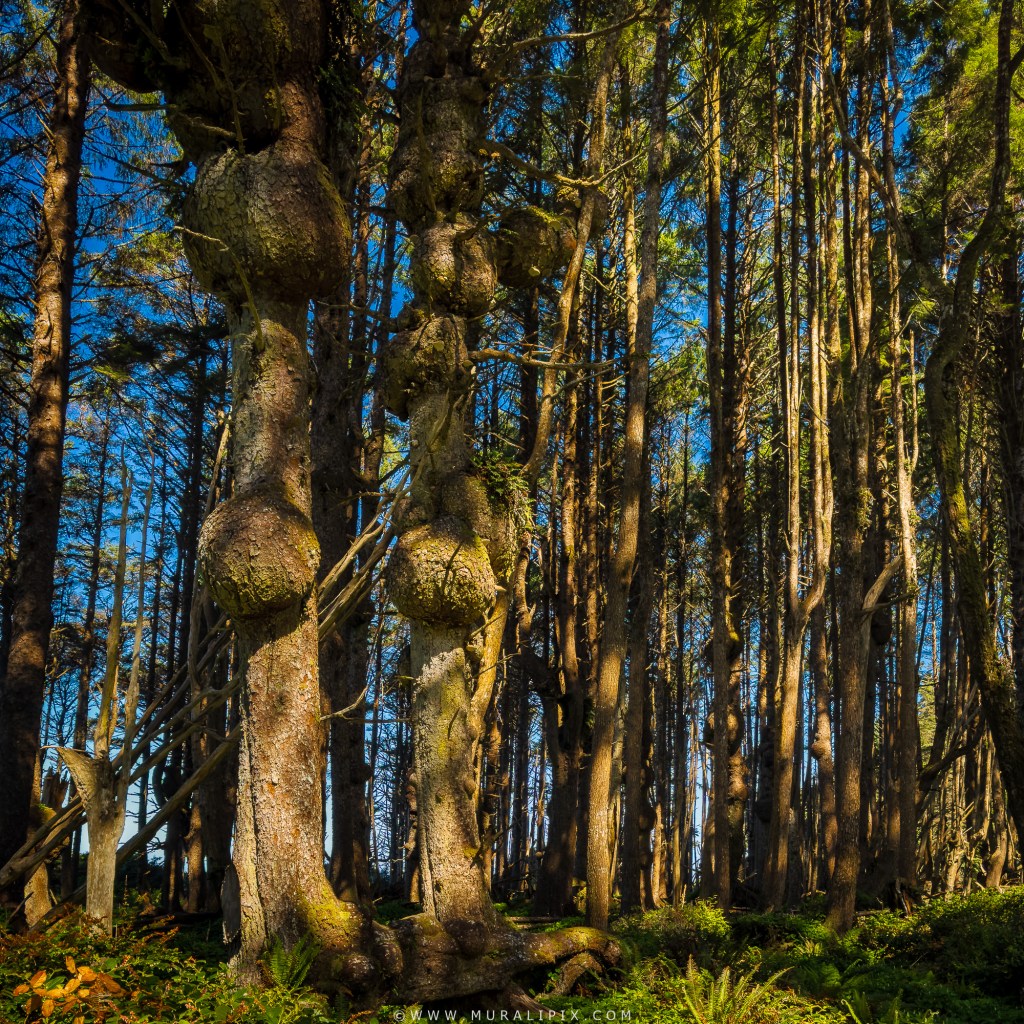
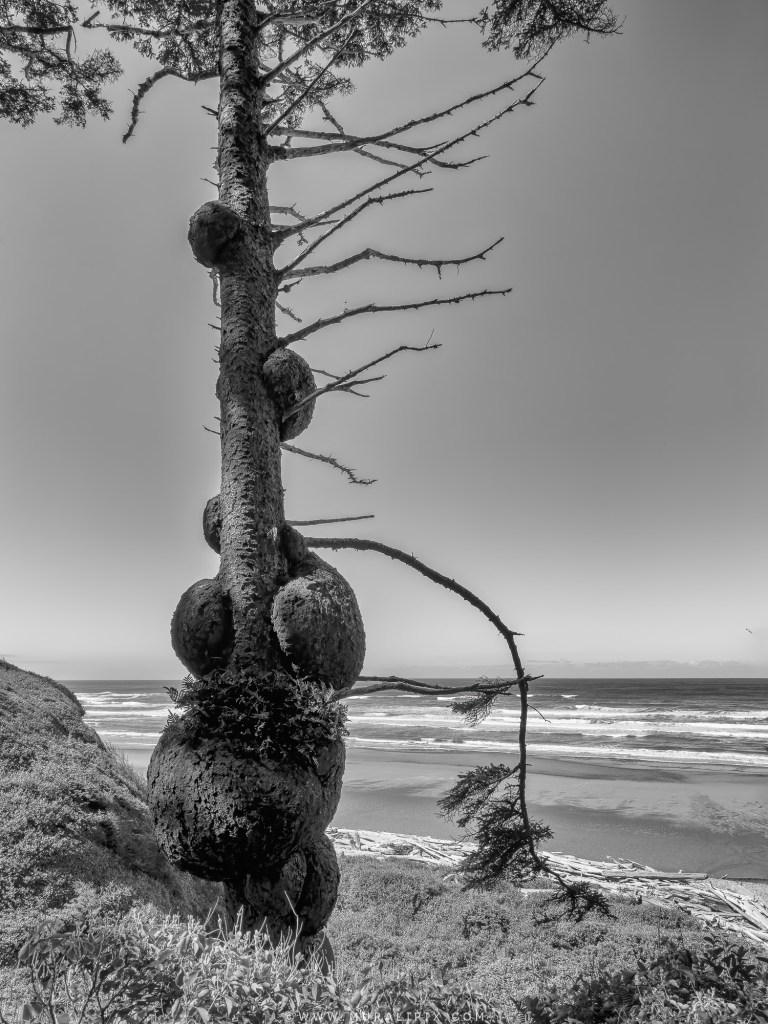
The famous spruce burl at Kalaloch Beach 1 is a remarkable natural formation, where a massive growth protrudes from the trunk like a sculpted knot of wood. Burls form when a tree experiences stress—such as injury, insect attack, fungi, or genetic mutation—causing the grain to grow in a dense, twisted pattern rather than normally. Over time, coastal weather and erosion have exposed this giant Sitka spruce burl, making it one of Kalaloch’s most unusual and photographed natural features.
 Murali Narayanan Photography
4 responses to “Stunning Beaches and Rainforests of Olympic Peninsula Captured by iPhone”
Murali, they are amazing pictures. I want to get one of them. Please let me know how I can.
LikeLike
Stunning landscapes and pictures. With an iPhone??
Well, I am sure is not the iPhone merit, but your photographer talent (composition, framing, light, taste, technique) is what makes a difference. I bet even with a Polaroid would be awesome too.
LikeLike
Hi Murali, Stunning locales, magnificent views and breathtaking shots.
LikeLike
wow!! I am speechless! Amazing technique and pictures!
LikeLike