
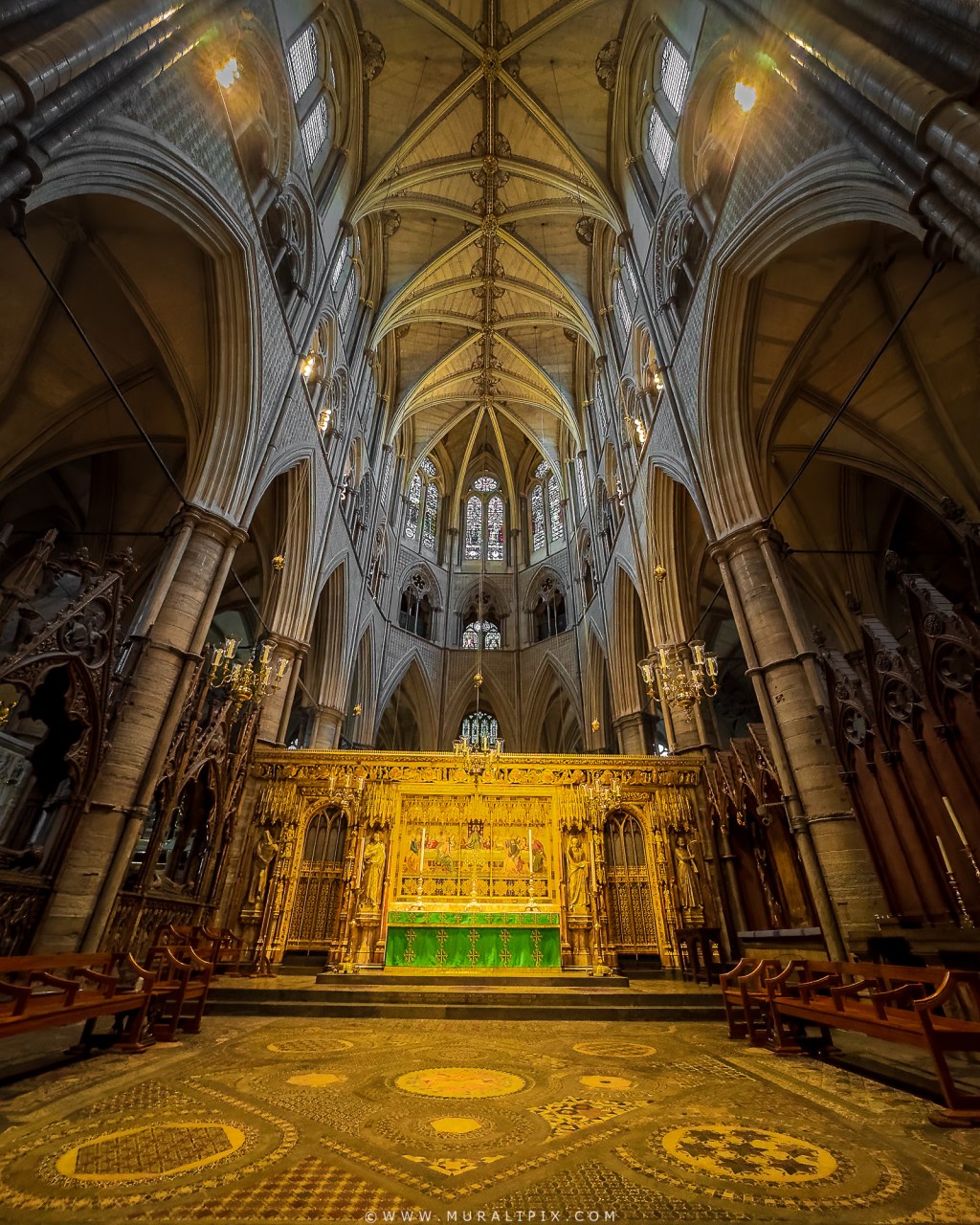
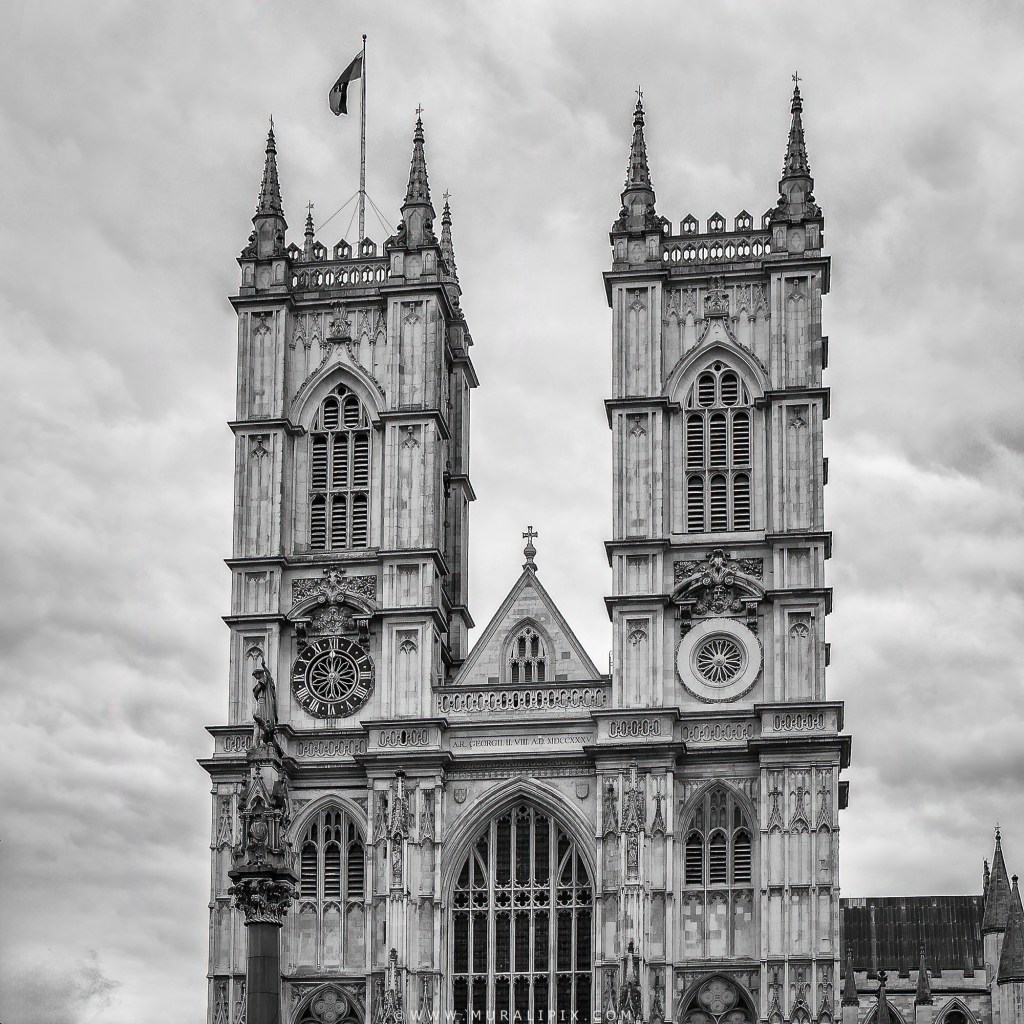
Westminster Abbey is one of London’s most important historic landmarks, with a history stretching back more than a thousand years. Founded as a Benedictine monastery and rebuilt in the 13th century by King Henry III, the Abbey has witnessed many of the defining moments of British history. From royal weddings and coronations to state funerals and national celebrations, it has long stood at the heart of the nation’s story.
The Abbey is also a masterpiece of Gothic architecture. Its soaring vaulted ceilings, pointed arches, intricate stone carvings, and magnificent stained-glass windows create a sense of grandeur that is difficult to capture in words. Fortunately, modern smartphone cameras make it possible to preserve many of these details, even in the dimly lit interior. As I explored the nave and chapels, I was continually struck by the scale, craftsmanship, and beauty of the building.
Beyond its architectural splendor, Westminster Abbey serves as a resting place for some of Britain’s most celebrated figures. Among them are Sir Isaac Newton and the composer George Frideric Handel. Together with the tombs, memorials, and monuments of monarchs, statesmen, poets, and scientists, their presence reminds visitors that the Abbey is not merely a church, but a living monument to the people who shaped British history and culture.
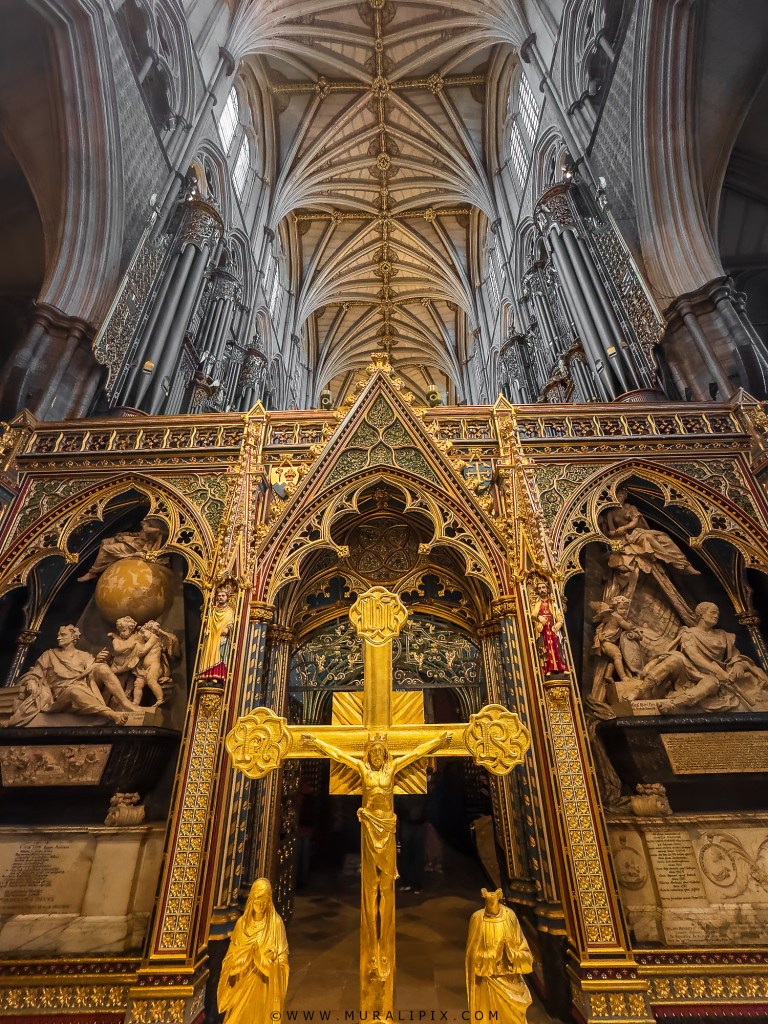
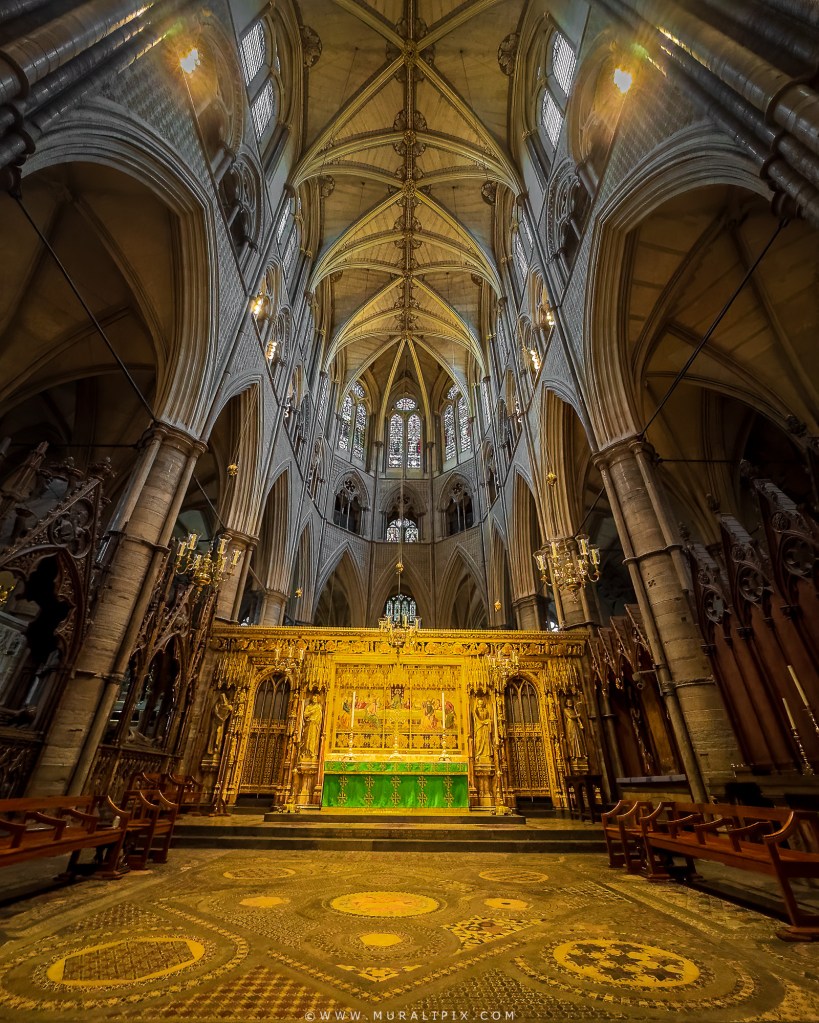
Quire Screen & Ceiling
The Quire Screen marks the boundary between the nave and the quire, where the Abbey’s clergy and choir have gathered for worship for centuries. Richly decorated with medieval Gothic details, it forms one of the most impressive architectural features inside Westminster Abbey. Standing before it, visitors can appreciate both the craftsmanship of its stonework and its role in shaping the ceremonial heart of the church.
Above the quire, the soaring vaulted ceiling draws the eye upward with its intricate network of ribs and graceful arches. The height and symmetry of the Gothic design create a powerful sense of space and light, emphasizing the grandeur of the Abbey’s interior. Viewed from below, the ceiling is a masterpiece of medieval engineering as well as a work of art.
On the left in the image below is the tomb of Sir. Isaac Newton.
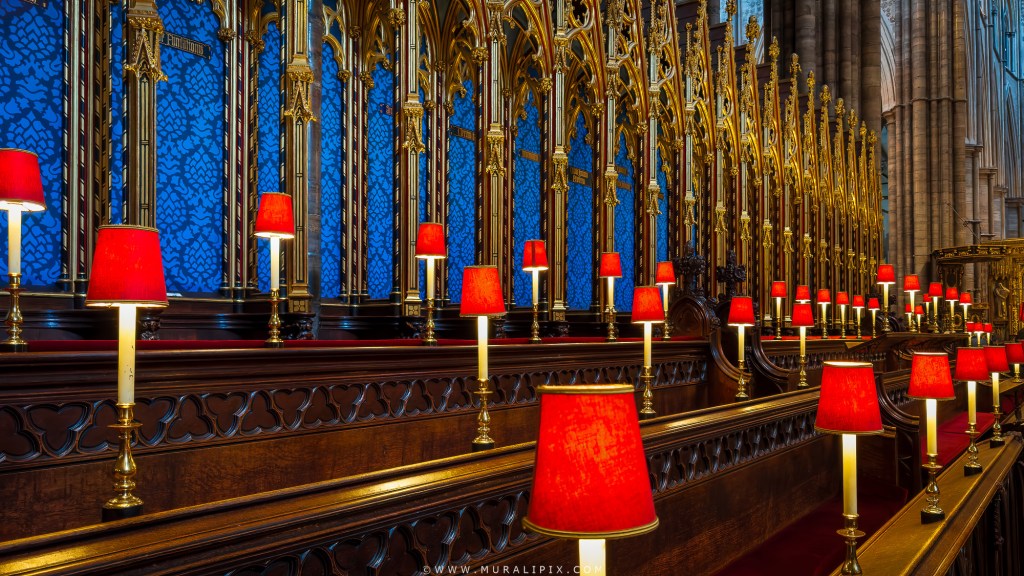
The Quire
The Quire is the section of Westminster Abbey where the choir and clergy gather for daily worship and major ceremonial services. Surrounded by beautifully carved stalls and framed by soaring Gothic arches, it has been the setting for royal ceremonies, coronations, and sacred music for centuries.
High Alter
The High Altar stands at the spiritual center of Westminster Abbey, serving as the focal point for coronations, royal weddings, and major national services. For centuries, kings, queens, and countless worshippers have gathered before this sacred space.
Beneath the altar lies the remarkable Cosmati Pavement, a mosaic floor created in 1268 by Italian craftsmen. Made from thousands of pieces of colored marble, glass, and stone arranged in intricate geometric patterns, it is one of the finest examples of medieval mosaic work in Europe. The pavement has witnessed every English and later British coronation since that of Edward I in 1274, making it one of the most historically significant floors in the world.
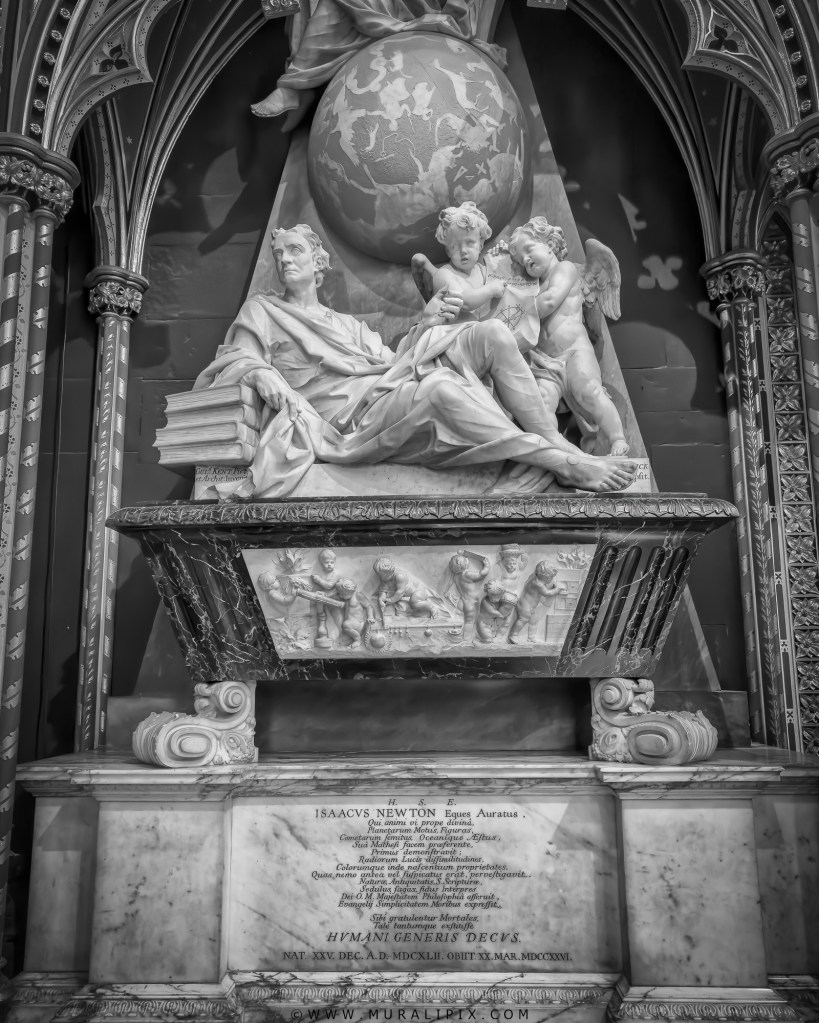
Tomb of Sir Isaac Newton
Sir Isaac Newton‘s tomb lies in the nave of Westminster Abbey, near the entrance to the quire, where it has attracted visitors since his burial in 1727. The monument above the grave celebrates the scientist whose discoveries in physics and mathematics transformed our understanding of the universe.
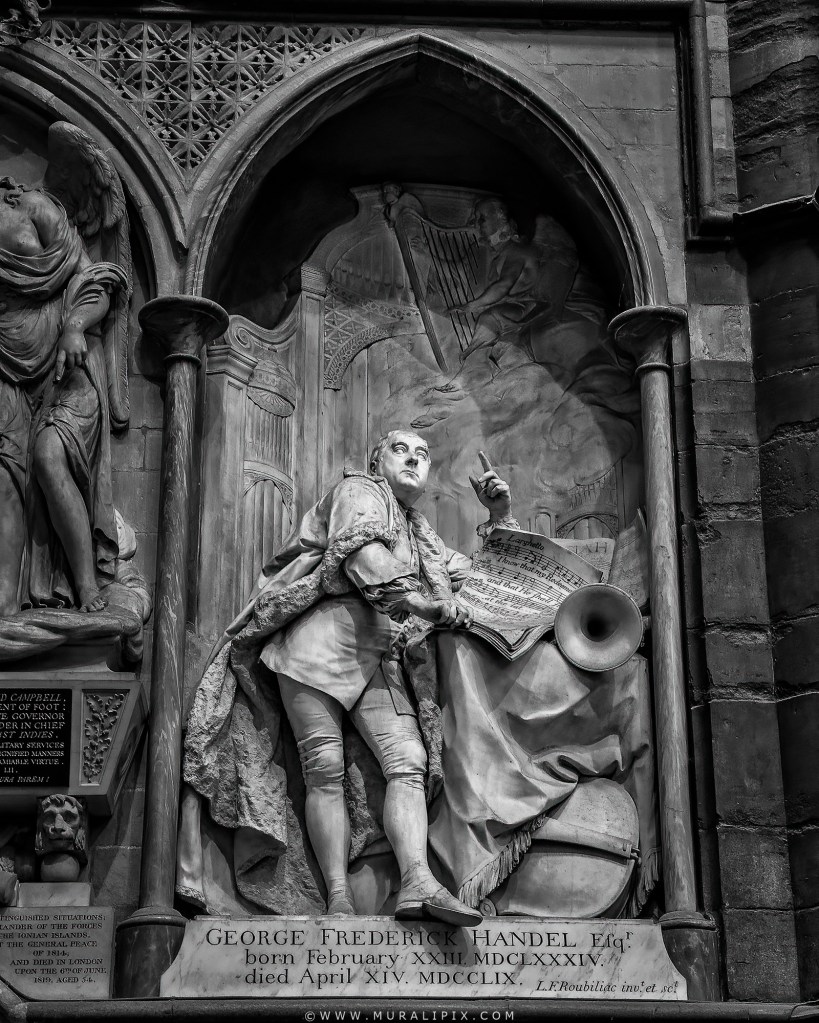
George Frideric Handel is buried in Poets’ Corner, a fitting resting place for one of the greatest composers of the Baroque era. His grave and monument honor the musician whose works, including Messiah, remain among the most beloved pieces in classical music.
Tomb of George Frideric Handel
George Frideric Handel is buried in Poets’ Corner, a fitting resting place for one of the greatest composers of the Baroque era. His grave and monument honor the musician whose works, including Messiah, remain among the most beloved pieces in classical music.
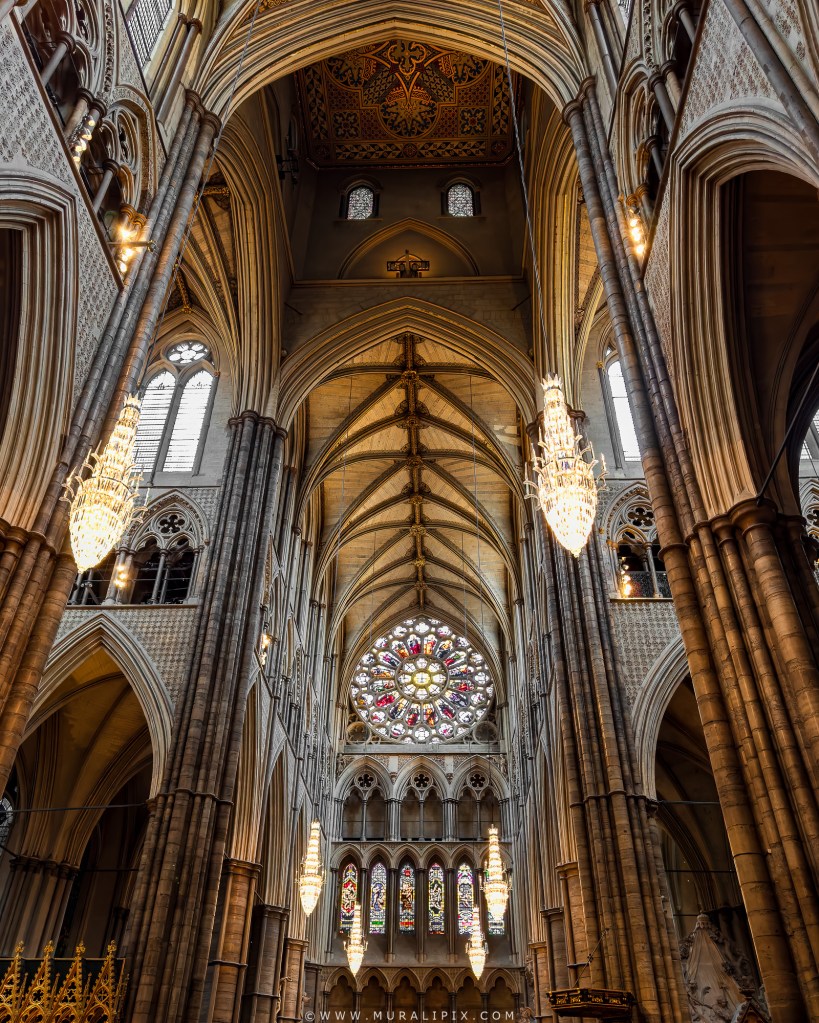
The North Transept
The North Transept is one of the most impressive spaces in Westminster Abbey, opening into a wide, light-filled area lined with monuments to statesmen, soldiers, and national heroes. Its magnificent stained-glass windows add color and brilliance to the Gothic interior, illuminating the stone walls with patterns of red, blue, and gold.
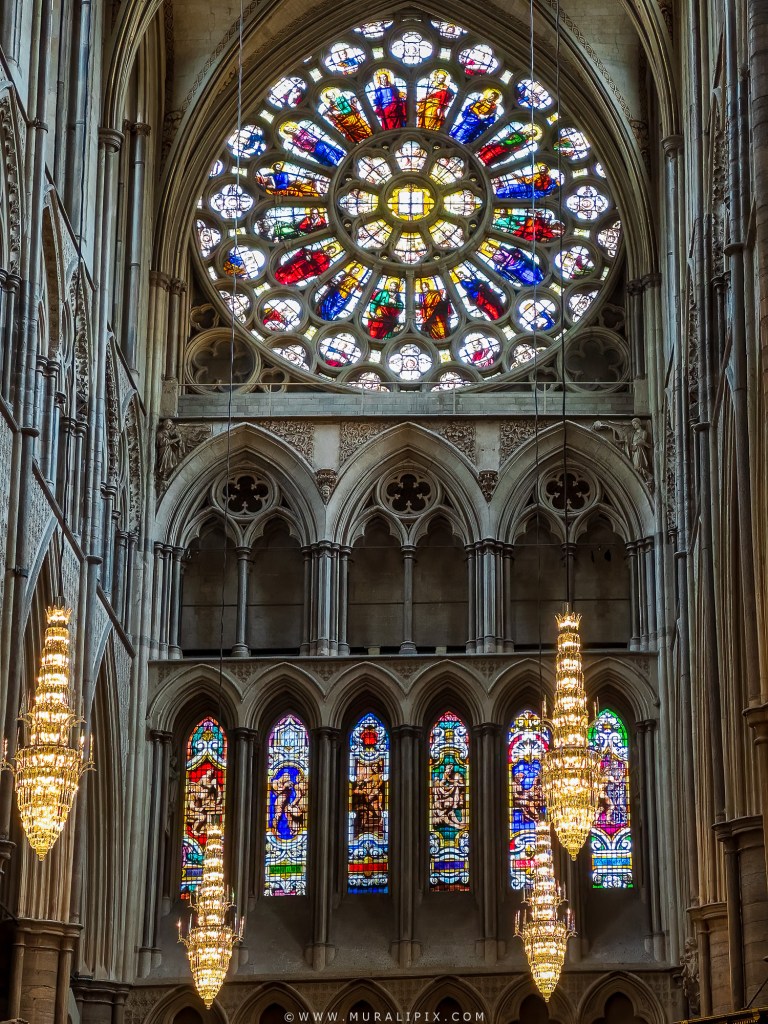
Great Cloister
The Great Cloister is a peaceful quadrangle that once connected the daily life of the Benedictine monks who lived and worshipped at Westminster Abbey. Surrounded by graceful Gothic arches and centuries-old stonework, it offers a quiet contrast to the grandeur of the Abbey’s main church.
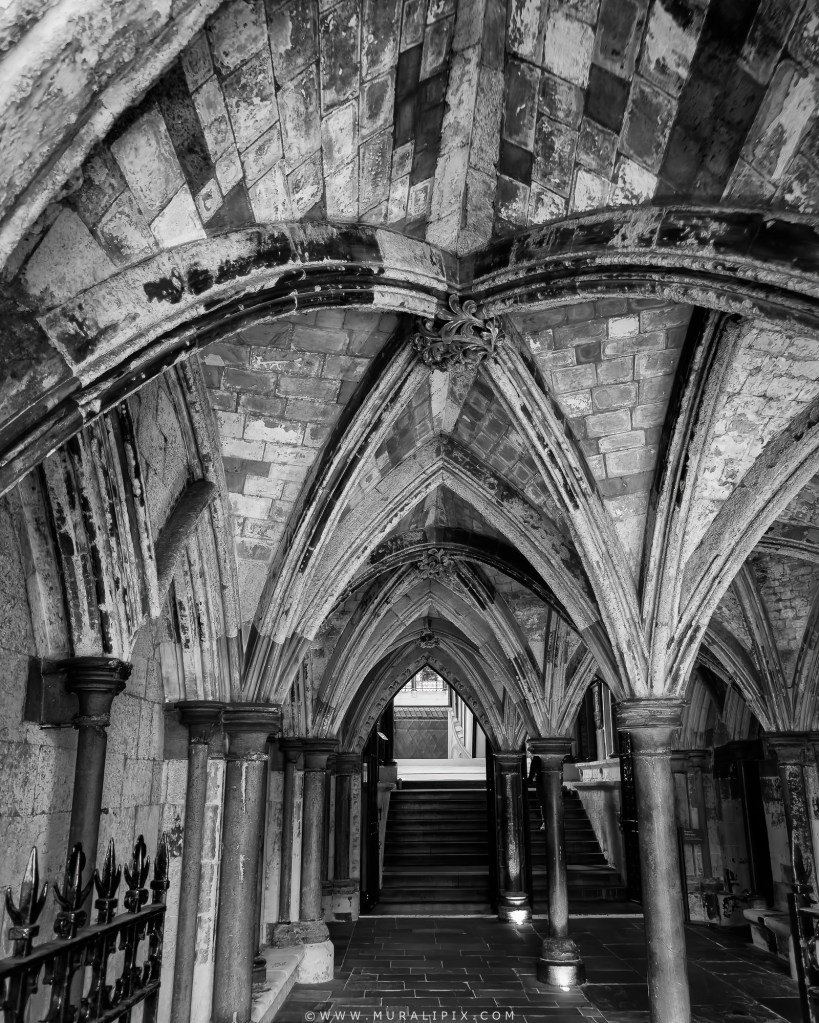
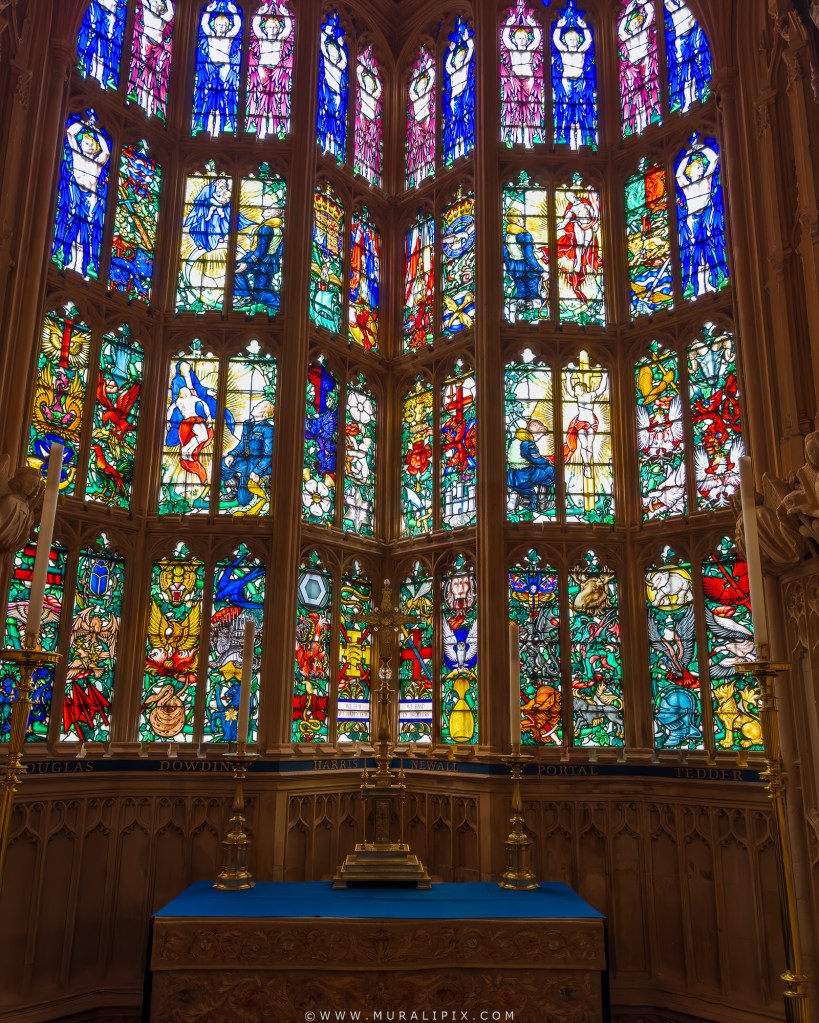
The RAF Chapel
The RAF Chapel is dedicated to the men and women of the Royal Air Force, particularly those who served during the Second World War. Its centerpiece is the stunning Battle of Britain Memorial Window, whose vibrant stained glass commemorates “The Few” who defended Britain in 1940. Despite its relatively small size, the chapel is one of the Abbey’s most moving memorial spaces, honoring courage, sacrifice, and service.


One response to “Westminster Abbey: A Masterpiece of Gothic Architecture”
Incredible collection! All pictures taken with your IPhone-game changing. Bravo Master- you are a talented Photographer!
LikeLike