Brief History
The Tower of London was founded by William the Conqueror shortly after the Norman Conquest of 1066 as both a fortress and a symbol of royal authority over the newly conquered city. Over the next nine centuries it evolved from a medieval castle into a royal residence, treasury, mint, arsenal, prison, and place of execution. Some of England’s most famous historical figures, including Anne Boleyn (King Henry VIII’s wife #2), Sir Thomas More (Henry VIII’s Lord High Chancellor of England), and Lady Jane Grey, were imprisoned within its walls. Today, the Tower is a UNESCO World Heritage Site renowned for housing the Crown Jewels.
Architecture
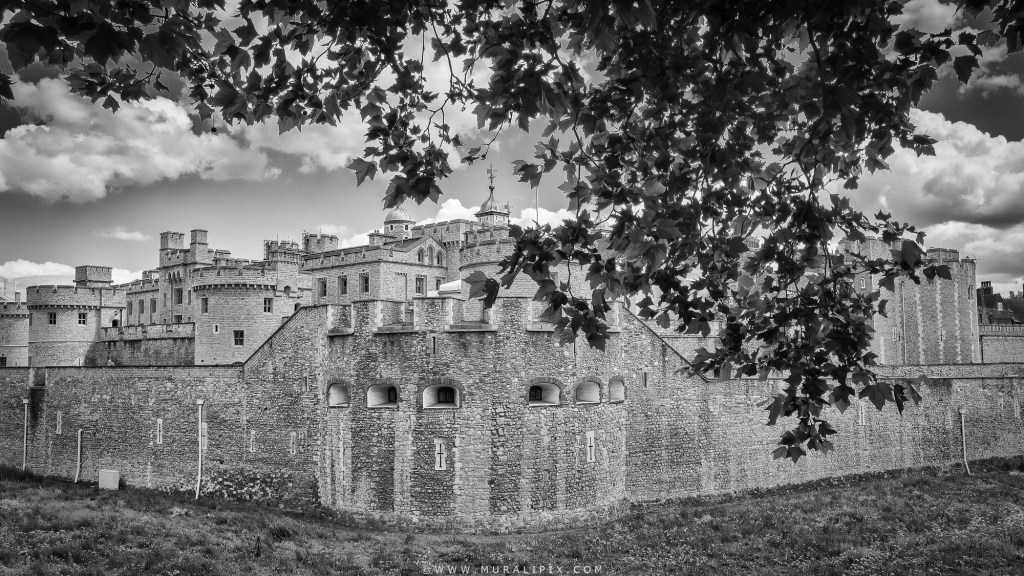
The Tower is a remarkable example of medieval military architecture, developed over several centuries around the Norman White Tower, which remains the fortress’s oldest and most imposing structure. Massive stone curtain walls, defensive towers, gatehouses, battlements, and a surrounding moat were added by successive monarchs to create a formidable concentric fortress. The complex incorporates architectural styles ranging from Norman Romanesque to later medieval and Tudor elements, reflecting its long evolution as both a military stronghold and royal residence. Within its walls, visitors can find everything from austere defensive structures and ancient Roman remains to elegant Tudor lodgings and the Norman Chapel of St. John the Evangelist.
White Tower
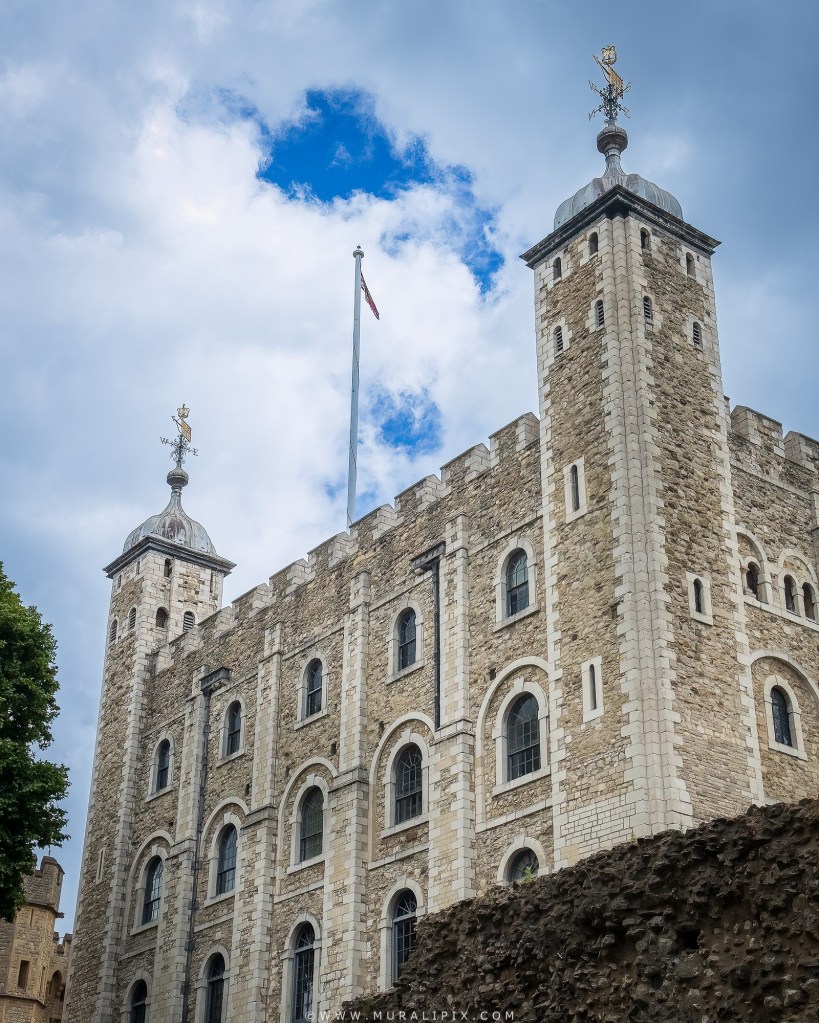
The White Tower is the oldest and most iconic structure within the Tower of London, built by William the Conqueror shortly after the Norman Conquest of 1066 and completed around 1100. Designed as a fortress, royal residence, and powerful symbol of Norman authority, it has served over the centuries as a palace, prison, treasury, arsenal, and military headquarters. Architecturally, the White Tower is one of the finest surviving examples of Norman Romanesque design in Europe, distinguished by its massive stone walls, rounded arches, narrow windows, and imposing rectangular form. Constructed primarily from Kentish ragstone and faced with pale Caen stone imported from Normandy, the keep rises nearly 90 feet. Its distinctive corner turrets and the beautifully preserved Chapel of St. John the Evangelist, one of England’s finest Norman church interiors, continue to showcase the grandeur and engineering skill of the medieval builders who created the historic heart of the Tower of London.
Chapel of St. John the Evangelist
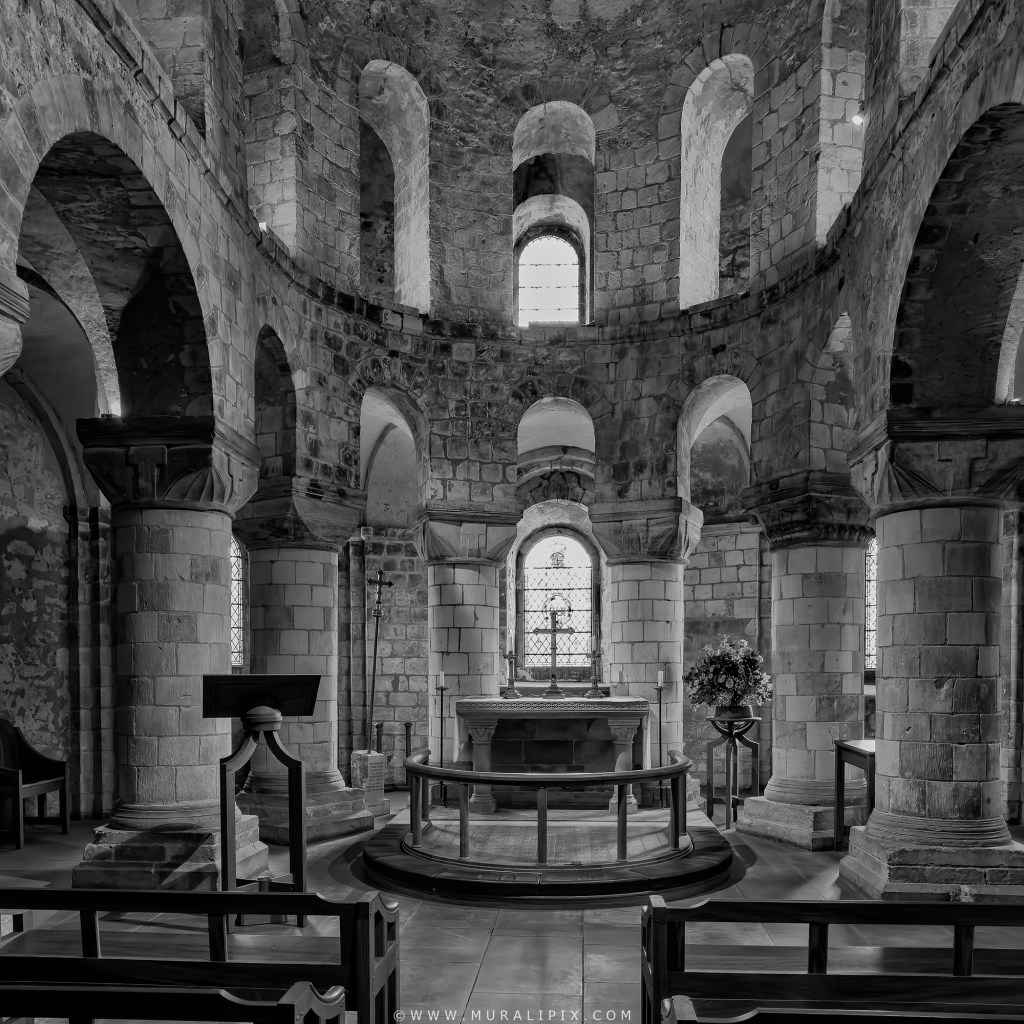
The Chapel of St. John the Evangelist, located within the White Tower, is one of the oldest and most important surviving church interiors in England. Built around 1080–1090 as part of William the Conqueror’s great Norman keep, the chapel served as the private place of worship for the royal household and the Tower’s garrison. Its remarkable survival offers a rare glimpse into the spiritual and cultural world of the Norman conquerors, largely unchanged for nearly a thousand years. More than just a place of worship, the chapel symbolized the close relationship between royal power and the Church in medieval England, making it a key element of the White Tower’s role as both a fortress and a royal residence.
St. Thomas Tower
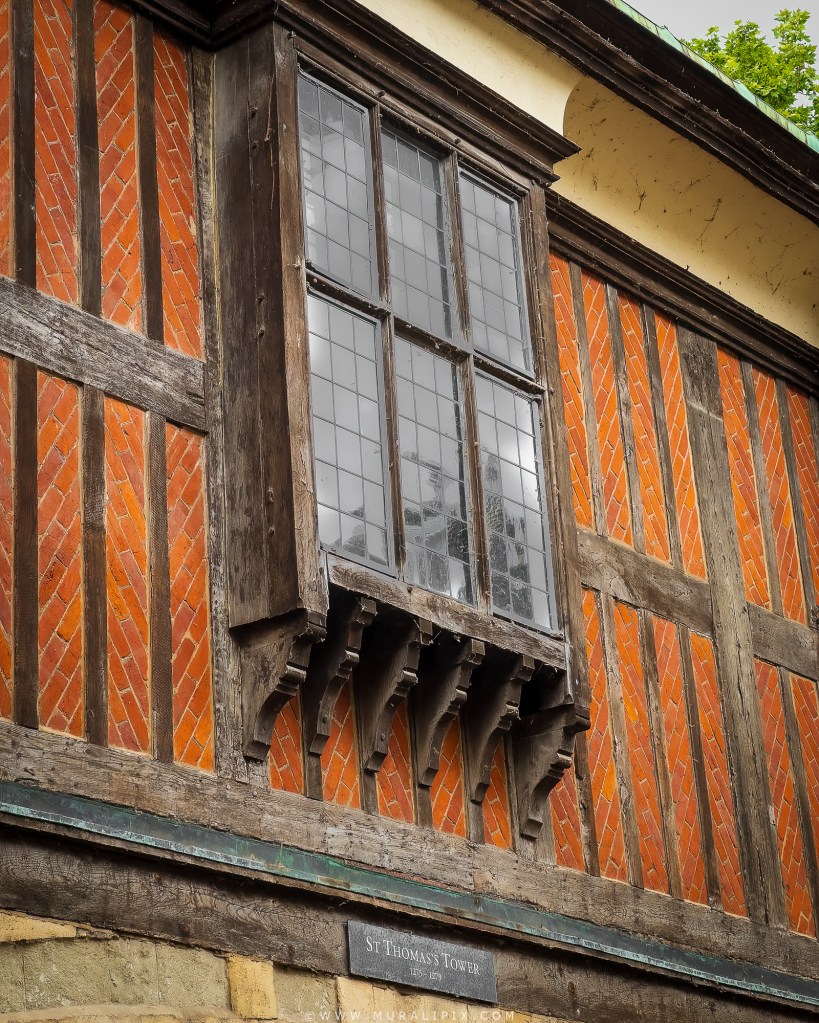
St Thomas’s Tower was built between 1275 and 1279 during the reign of King Edward I as part of a major expansion of the Tower of London’s riverside defenses. Located on the south side of the fortress overlooking the River Thames, it served as both a defensive gatehouse and a royal entrance to the Tower. The tower is best known for housing Traitors’ Gate, the water entrance through which many famous prisoners, including Anne Boleyn and Sir Thomas More, passed on their way to imprisonment. The upper floors were furnished as luxurious royal apartments, reflecting the Tower’s dual role as both a fortress and a royal residence.
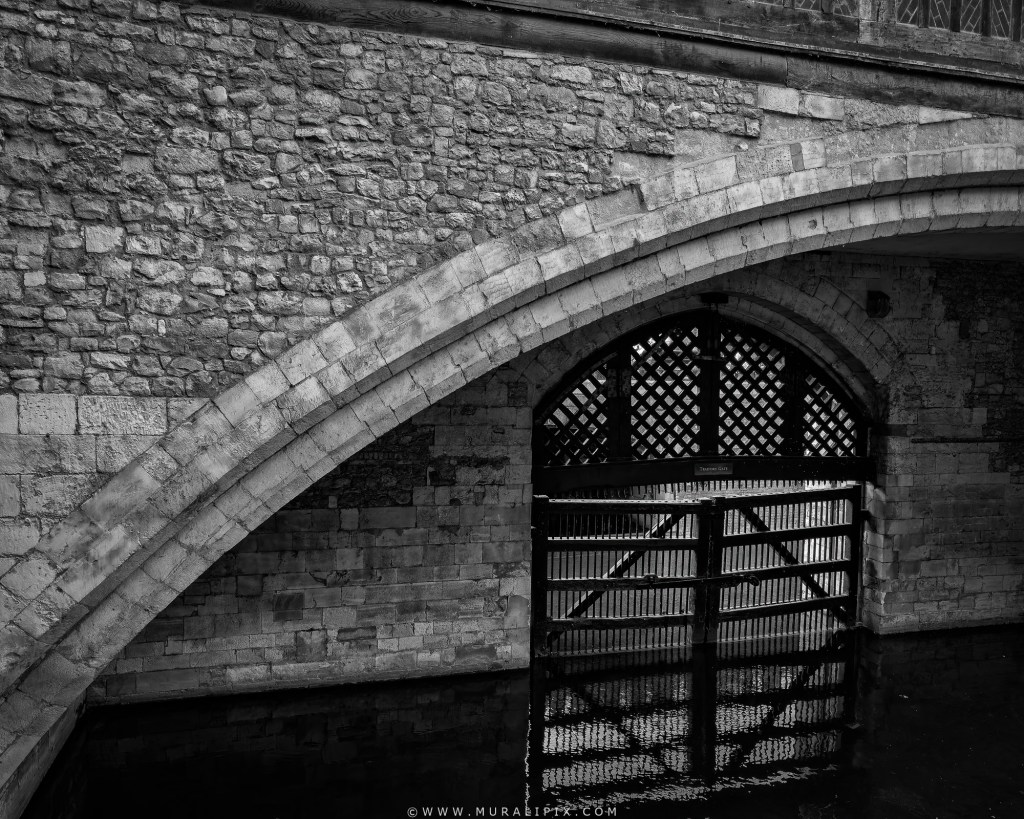
Traitors’ Gate
Traitors’ Gate is the famous water entrance to the Tower of London, located beneath St Thomas’s Tower on the banks of the River Thames. Constructed in the late 13th century during the reign of King Edward I, it originally served as a secure royal landing stage, allowing monarchs to enter the fortress directly by river. Its ominous reputation developed in the Tudor period when prisoners accused of treason were brought through the gate by boat and taken into the Tower’s custody. Among the notable figures who passed through Traitors’ Gate were Anne Boleyn, Sir Thomas More, and Queen Elizabeth I before her accession to the throne.
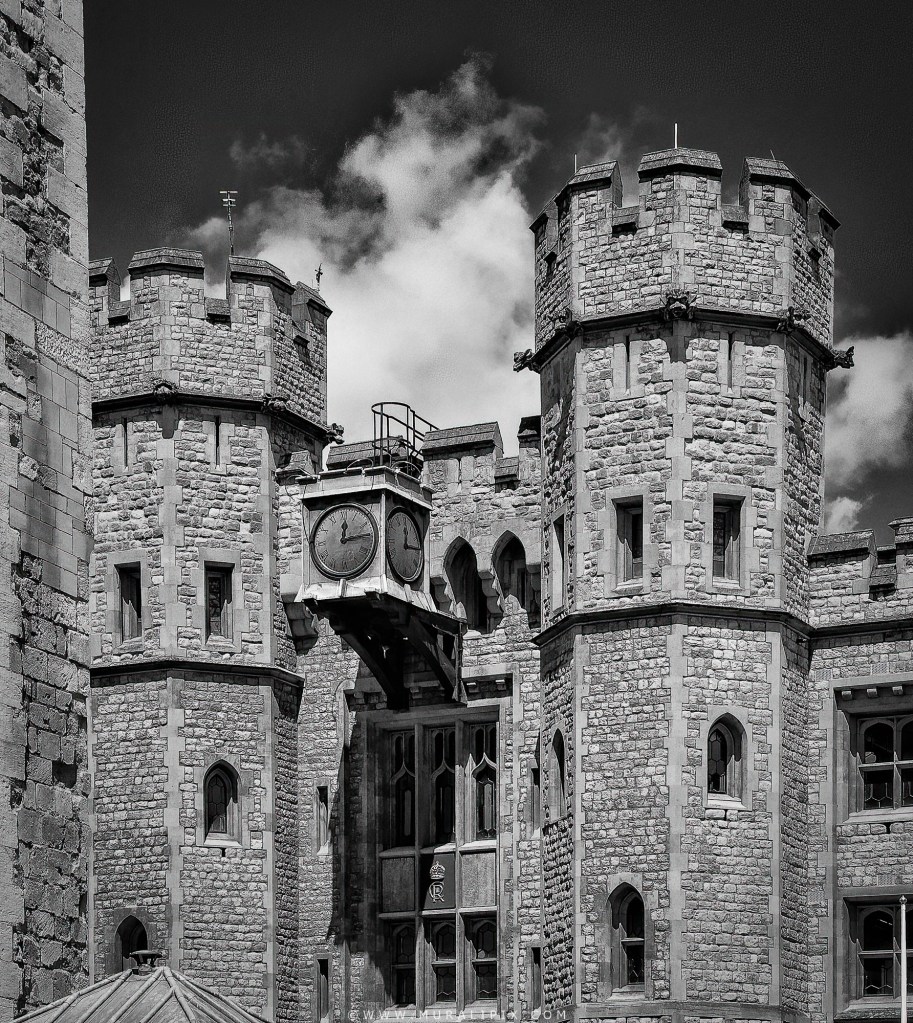
Constable Tower
The Constable Tower is a medieval tower located on the south side of the Inner Ward of the Tower of London. Built during the 13th-century expansion of the fortress under King Edward I, it formed part of the royal residential complex and later became associated with the Constable of the Tower, the monarch’s senior representative at the fortress. Distinguished by its octagonal corner turrets and prominent clock, the tower reflects the dual role of the Tower of London as both a formidable military stronghold and a center of royal administration.
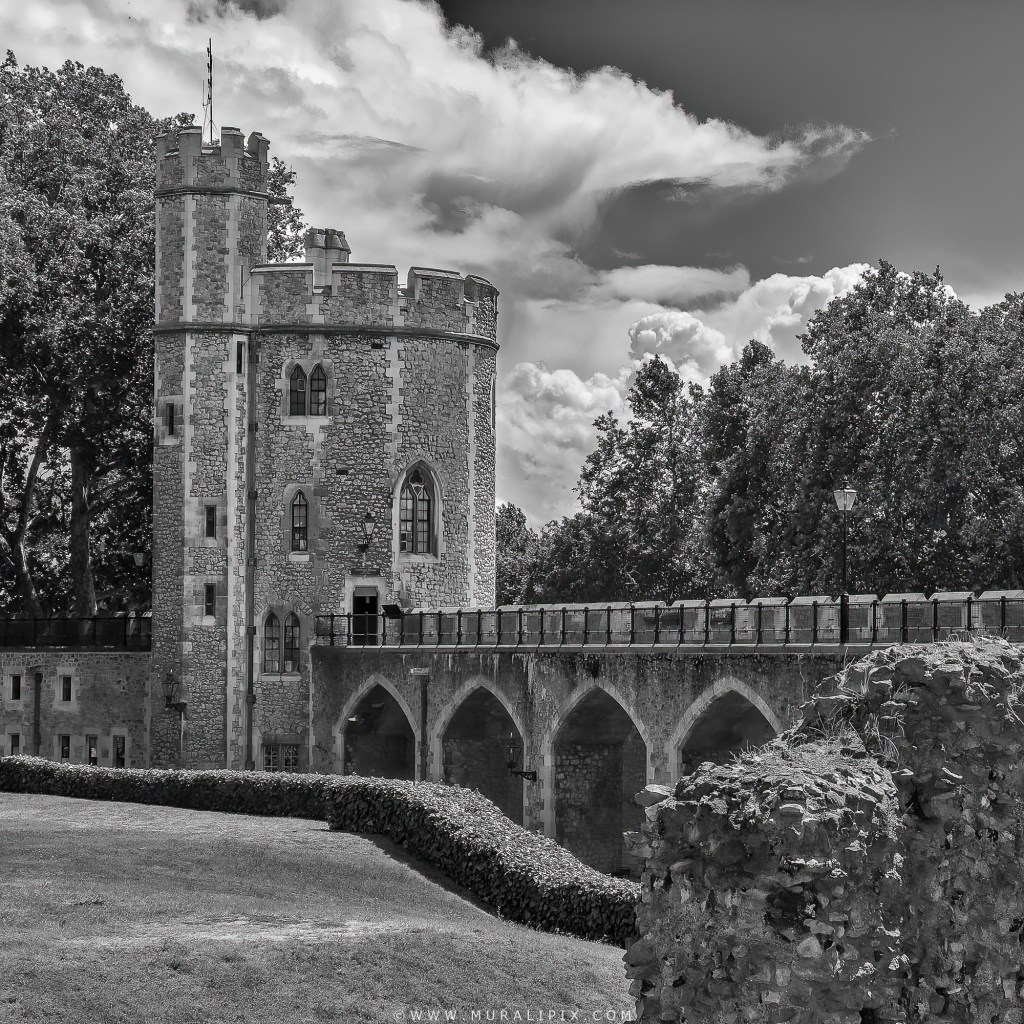
Lanthorn Tower
Lanthorn Tower stands on the southeastern corner of the Inner Ward of the Tower of London, overlooking the River Thames. Originally built in the 13th century during the reign of King Henry III, it formed part of a luxurious royal palace complex that transformed the Tower from a purely military fortress into a royal residence. The medieval tower was destroyed by fire in the 18th century and later reconstructed in the late 19th century based on historical evidence.
Queen’s House
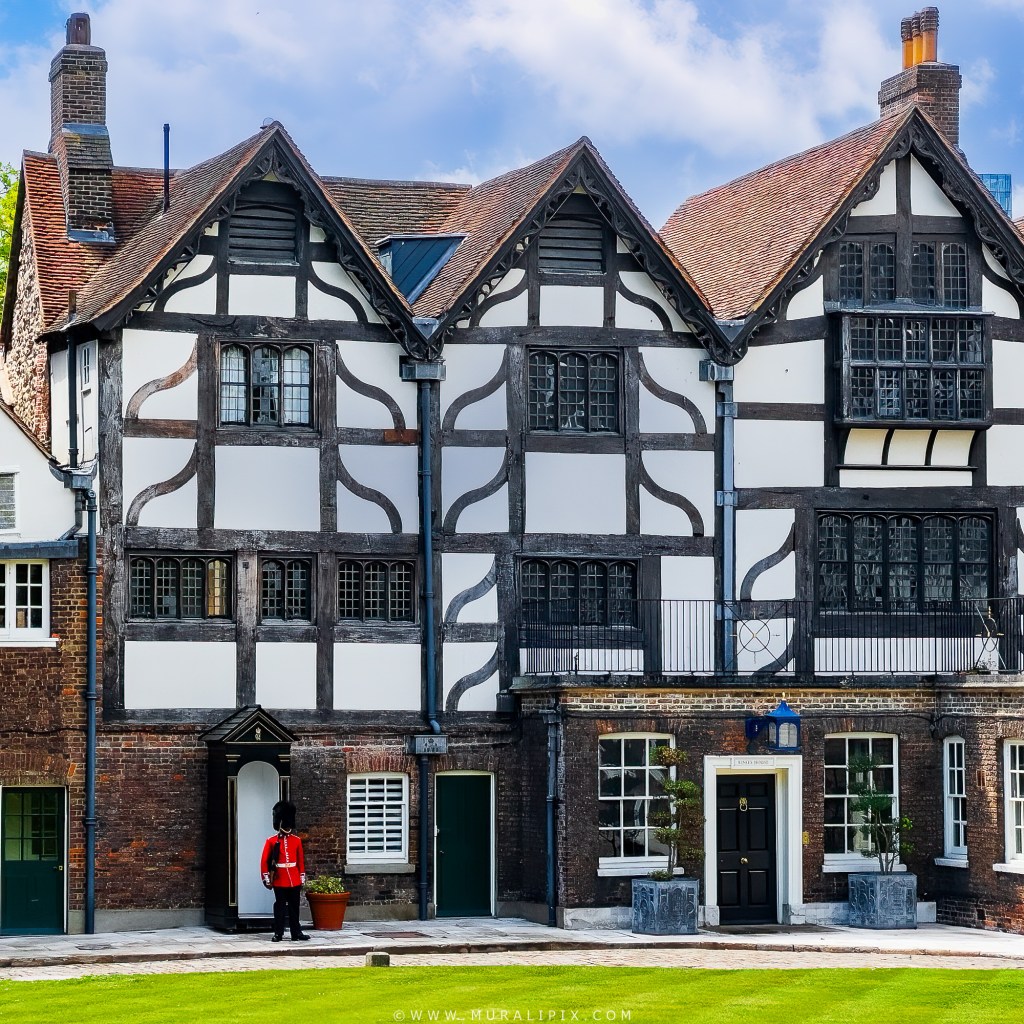
The Queen’s House within the Tower of London is a restrained, half-timbered Tudor building dating to the early 16th century, originally constructed around 1530 for Anne Boleyn and later used by subsequent queens and high-status prisoners awaiting trial or execution. Architecturally, it reflects the domestic Tudor style rather than the fortress character of much of the Tower complex, with its exposed timber framing, whitewashed infill, steeply pitched roof, and intimate scale designed for residence rather than defense. Over time it also served administrative and ceremonial functions, and today it forms part of the Tower’s protected historic fabric, preserved as an example of Tudor royal domestic architecture within a heavily militarized medieval complex.
Directly in front of it lies Tower Green, a small, enclosed grassy space that carries heavy historical significance as the traditional site of private executions of high-ranking prisoners, including Anne Boleyn and Lady Jane Grey. Despite its quiet, almost serene appearance today, the green was once a controlled ceremonial space within the inner ward of the Tower, its location deliberately secluded from public crowds.
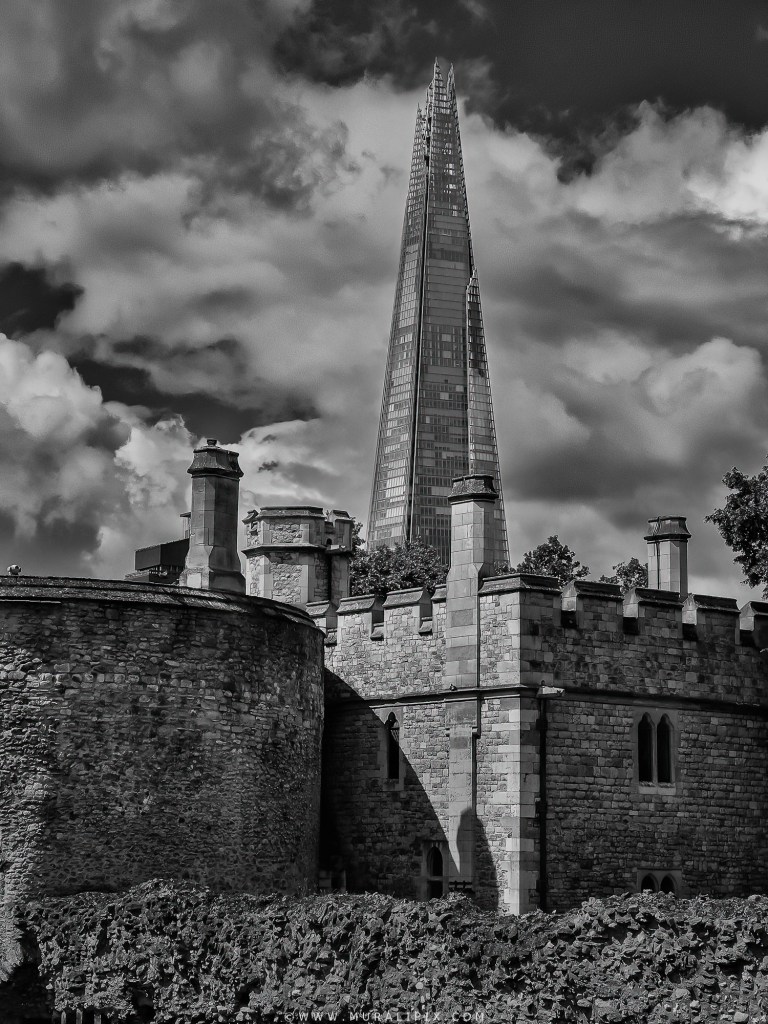
Two London landmarks are visible from inside the Tower of London.
The Shard
The Shard is a 1,016′ glass-clad skyscraper on the south bank of the River Thames, designed by architect Renzo Piano and completed in 2012. It is currently the tallest building in the United Kingdom and was conceived as a “vertical city,” integrating offices, restaurants, a hotel, residential apartments, and a public viewing gallery within a single tapered form. Its architecture is defined by eight angled glass façades that converge toward a sharp spire-like apex, intentionally evoking the image of a shard of glass rising from the urban fabric. The building’s reflective glazing is engineered to respond to changing weather and light conditions, allowing it to shift appearance dramatically across the day and seasons.
Within the Tower of London, a surviving section of the Roman city wall of Londinium can still be seen, dating back to the late 2nd or early 3rd century AD. This fragment represents one of the oldest visible structures on the site, showing the layered history of the Tower’s location long before the medieval fortress was built. You can see a portion of the wall in the image below.
Tower Bridge
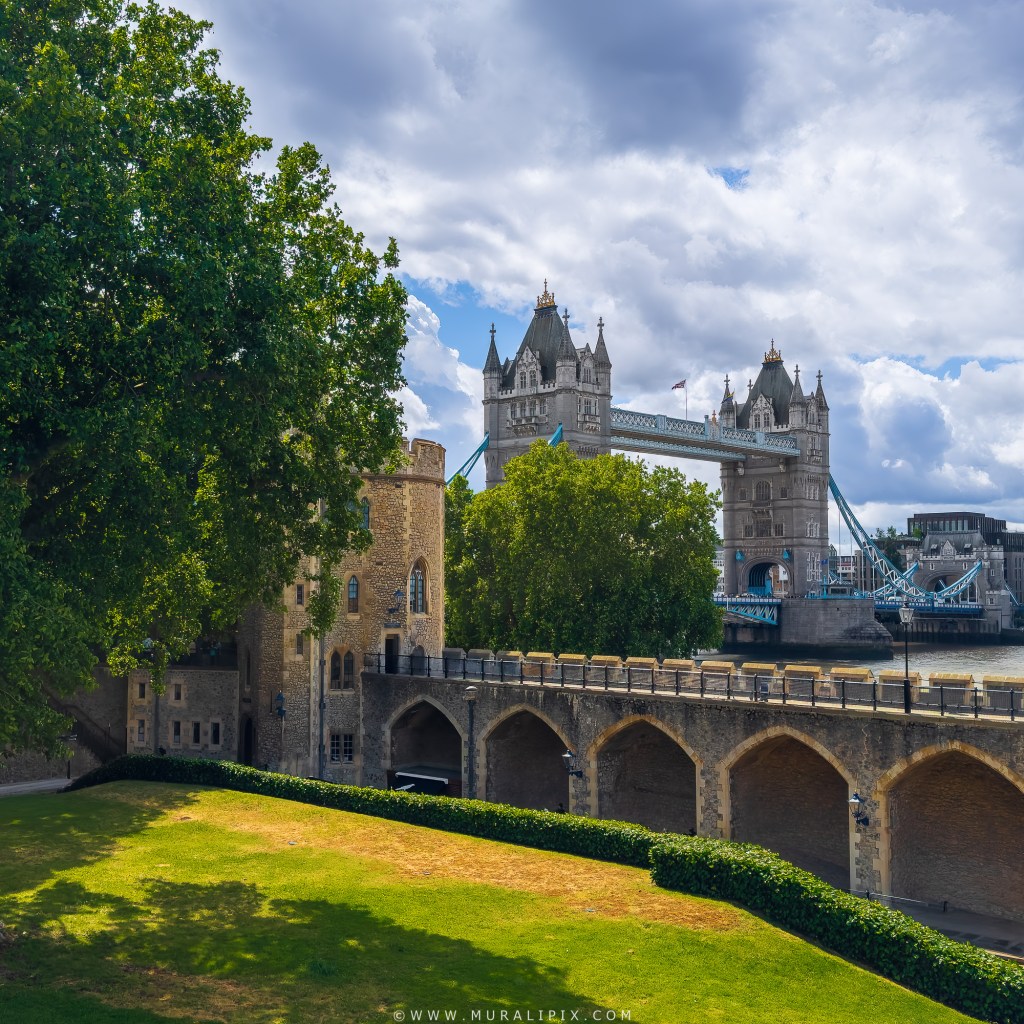
Tower Bridge is a combined bascule and suspension bridge spanning the River Thames, completed in 1894 to ease east–west river traffic while maintaining access between the City of London and Southwark. It is located immediately downstream from the Tower of London, so close that the two structures are often photographed together, forming one of London’s most recognizable historic vistas. Designed in a Gothic Revival style to harmonize visually with the medieval Tower, it features two massive towers connected by high-level walkways and a central bascule mechanism that still opens to allow ships to pass.
Positioned just east of London Bridge, Tower Bridge sits at a key historical crossing point that has been in use for nearly 2,000 years. Its location was deliberately chosen to preserve river navigation while avoiding disruption to traffic serving the nearby docks of the Victorian Port of London.